

As we venture into the exciting future of video games and sports, several fascinating trends are shaping how we play, compete, and connect.
With technology advancing at lightning speed, e-sports rising to prominence, health-conscious gaming becoming the norm, and sustainable practices gaining traction, the landscape of entertainment is evolving.
Let’s dive into these trends and see what the future holds!
Technological Innovations: A New Reality Awaits
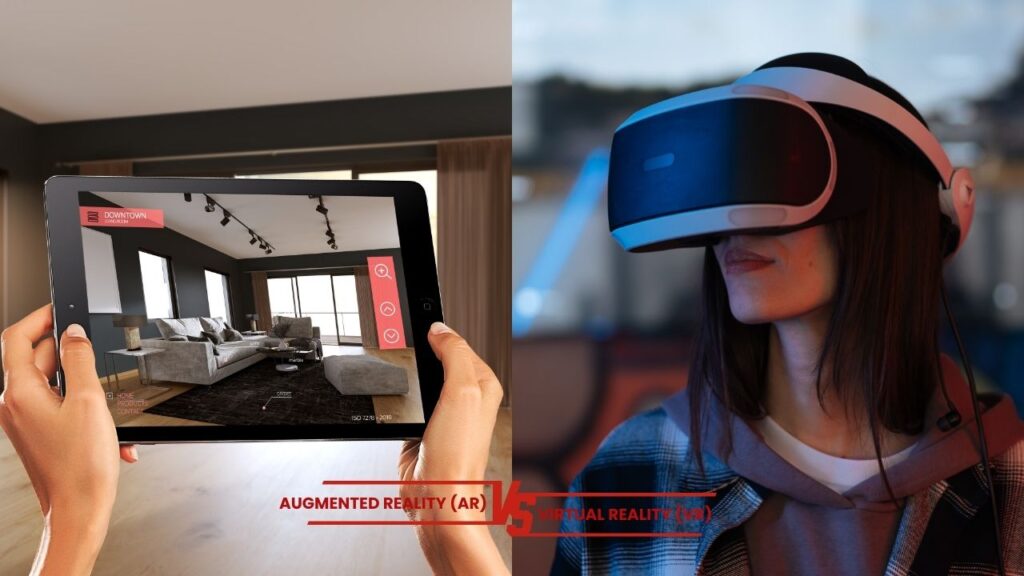
Imagine stepping into your favorite game and feeling like you’re truly a part of it. Thanks to advancements in virtual reality (VR) and augmented reality (AR), this dream is becoming a reality.
These technologies are transforming both video games and sports experiences in ways we never thought possible. With VR headsets, you can immerse yourself in a virtual world where you’re not just a player but a part of the action.
You can swing a virtual tennis racket or shoot hoops with friends, all from the comfort of your living room. Meanwhile, AR is enhancing real-world sports by overlaying digital elements onto live games, giving you insights and stats in real-time.
Imagine watching a basketball game and seeing player stats pop up right above their heads! This blend of digital and physical environments is revolutionizing the way you interact with sports and games alike.
Additionally, these technologies are not just for fun; they’re also being used for training. Coaches are utilizing VR simulations to prepare athletes for high-pressure situations. Whether it’s honing your skills in football or learning to make split-second decisions in basketball, technology is making training more effective and engaging than ever before.
The Rise of E-Sports: A Legitimate Sport?

If you haven’t noticed, e-sports is taking the world by storm! Once considered a niche pastime, competitive gaming has rapidly gained acceptance as a legitimate sport among traditional sports fans.
Major tournaments fill arenas, attracting thousands of spectators who cheer for their favorite teams and players. E-sports has created a unique culture that blends gaming with competition.
You find fans wearing jerseys of their favorite players, much like you would at a football game. With sponsorships from big brands and millions of dollars in prize pools, it’s safe to say that e-sports has made its mark.
The industry has also seen the emergence of collegiate leagues, allowing aspiring gamers to compete and earn scholarships, just like traditional athletes. As more people tune in to watch these competitions, the lines between video games and sports continue to blur.
You may even find yourself tuning into an e-sports championship, cheering for a team as passionately as you would for your local sports team. Who knew gaming could bring such excitement and camaraderie?
Health and Fitness Integration: Leveling Up Your Wellness
Gone are the days when gaming was associated with a sedentary lifestyle. Today, video games and sports are increasingly merging to promote health and fitness. The trend of gamifying fitness is on the rise, encouraging you to stay active while having fun.
Games like “Ring Fit Adventure” and “Just Dance” have made working out feel less like a chore and more like an engaging experience. You can dance your way to fitness or go on virtual adventures while breaking a sweat.
These innovative games motivate you to move and stay active, making exercise enjoyable rather than a daunting task. Moreover, fitness apps are incorporating gaming elements to keep you engaged in your health journey.
You can earn points, unlock achievements, and compete with friends, all while tracking your workouts. This gamified approach is turning fitness into a fun challenge, making it easier to stick to your goals. Imagine turning your daily jog into a quest to defeat virtual monsters—how cool is that?
Sustainable Practices: A Greener Future
Sustainability is becoming a buzzword in many industries, and the world of video games and sports is no exception. As awareness of environmental issues grows, both sectors are stepping up to adopt more sustainable practices.
From game development to event organization, companies are rethinking their approaches to minimize their ecological footprint. For instance, game developers are working on creating energy-efficient systems and using digital distribution to reduce physical waste.
Meanwhile, sports organizations are implementing eco-friendly practices in stadiums, such as recycling programs and renewable energy sources. Moreover, many sports events are now focusing on reducing waste and promoting sustainable practices.
You might find yourself attending a tournament that encourages carpooling, offers recycling stations, and partners with local organizations to plant trees. This shift towards sustainability not only benefits the planet but also fosters a sense of community among fans and players alike.
List of sports video games
1. FIFA Series
- Overview: The premier soccer simulation game known for its realistic gameplay and licenses from leagues worldwide.
2. NBA 2K Series
- Overview: A basketball simulation game that features realistic graphics, gameplay, and a comprehensive career mode.
3. Madden NFL Series
- Overview: An American football simulation game that offers in-depth gameplay and features for fans of the NFL.
4. MLB The Show Series
- Overview: A baseball simulation game praised for its realism and attention to detail in gameplay and player statistics.
5. NHL Series
- Overview: A hockey simulation game that captures the fast-paced action of ice hockey and includes various game modes.
6. Rocket League
- Overview: A unique blend of soccer and vehicular mayhem, where players control cars to hit a giant ball into the opponent’s goal.
7. Tony Hawk’s Pro Skater Series
- Overview: A skateboarding game series known for its arcade-style gameplay and impressive tricks and combos.
8. WWE 2K Series
- Overview: A professional wrestling simulation game that allows players to control their favorite WWE superstars in the ring.
9. PGA Tour 2K Series
- Overview: A golf simulation game that focuses on realistic gameplay and offers a variety of courses and challenges.
10. Forza Horizon Series
- Overview: While primarily a racing game, it includes many elements of sports racing and showcases various vehicles and environments.
Conclusion
As you can see, the future of video games and sports is incredibly bright and full of exciting possibilities. With technological innovations paving the way for immersive experiences, e-sports gaining traction, fitness gaming becoming mainstream, and a focus on sustainability, there’s never been a better time to be part of this thrilling landscape.
Whether you’re a casual gamer, a dedicated athlete, or just someone looking for fun, the evolving world of gaming and sports has something for everyone!







Comments are closed.